Revitalization of Mizrahi scribal practices
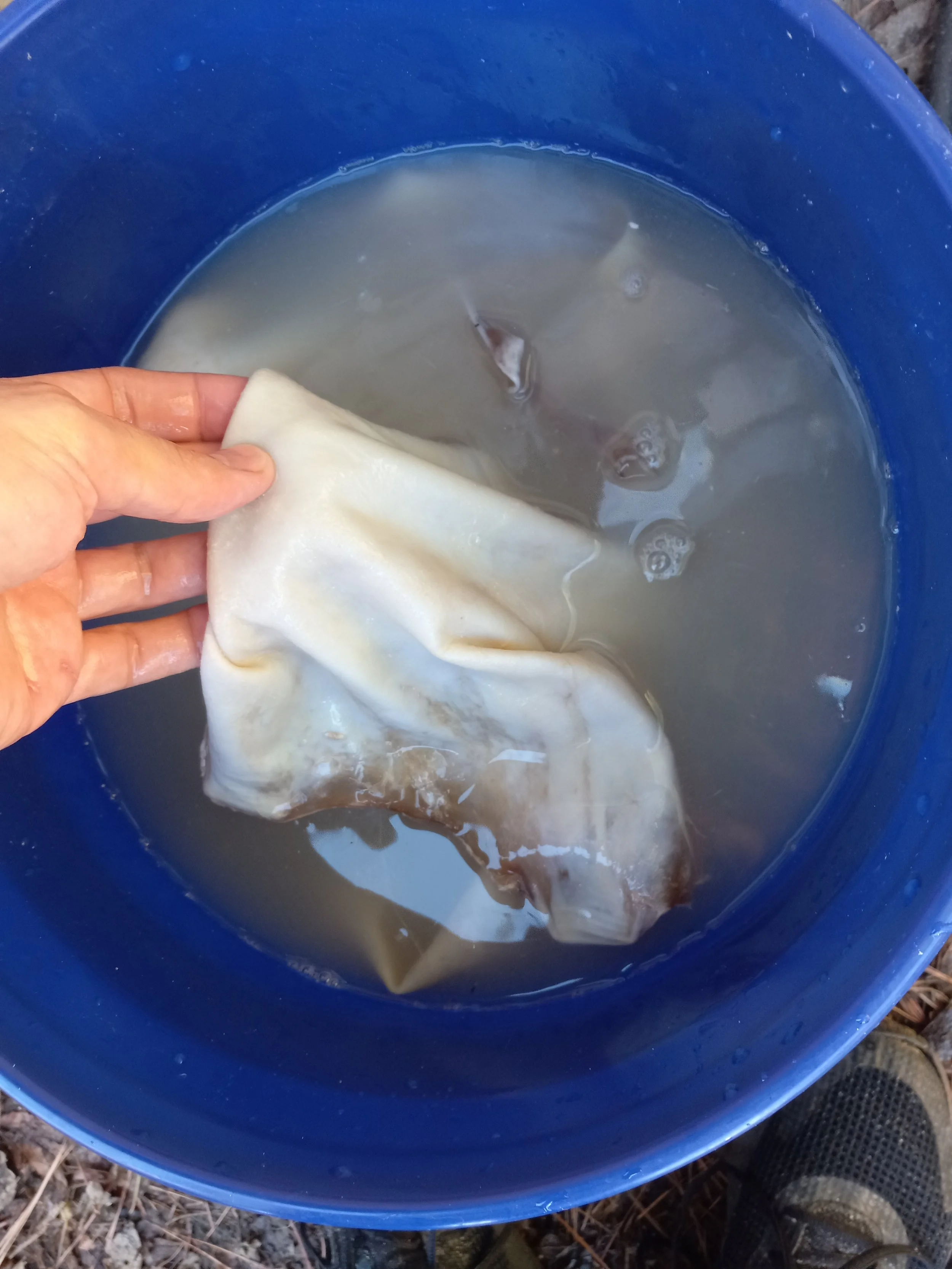
For most of Jewish history, parchment needed to be tanned. The Dead Sea Scrolls, the Bologna Torah (the world’s oldest), and even non-Jewish Near-Eastern texts such as the Egyptian Book of the Dead were written on tanned parchment types such as gvil, klaf me’upatz, and duchsustus. Jewish communities from Italy and from the Middle East and North Africa (i.e., Mizrahi communities) have maintained the practice of writing on these types of parchment, per the requirements articulated by Rabbi Moshe ben Maimon, the great 12th Century arbiter of Jewish law. However, the poorer and more persecuted Jewish communities of Northern Europe lost the skills to tan parchment, forcing Rabbeinu Tam to permit writing Torah, tefillin, mezuzot, and megillot on untanned parchment, which we now commonly call klaf. Crisp, white, and easy to erase from without leaving much of a mark, this klaf quickly became popular in Europe and is now the normative parchment used by Ashkenazim (Jewish communities tracing back to Northern Europe) and Sefardim (Jewish communities tracing back to the Iberian Peninsula). If you open a Torah scroll or mezuzah in North America today, you will almost certain find it’s made of this kind of untanned klaf.
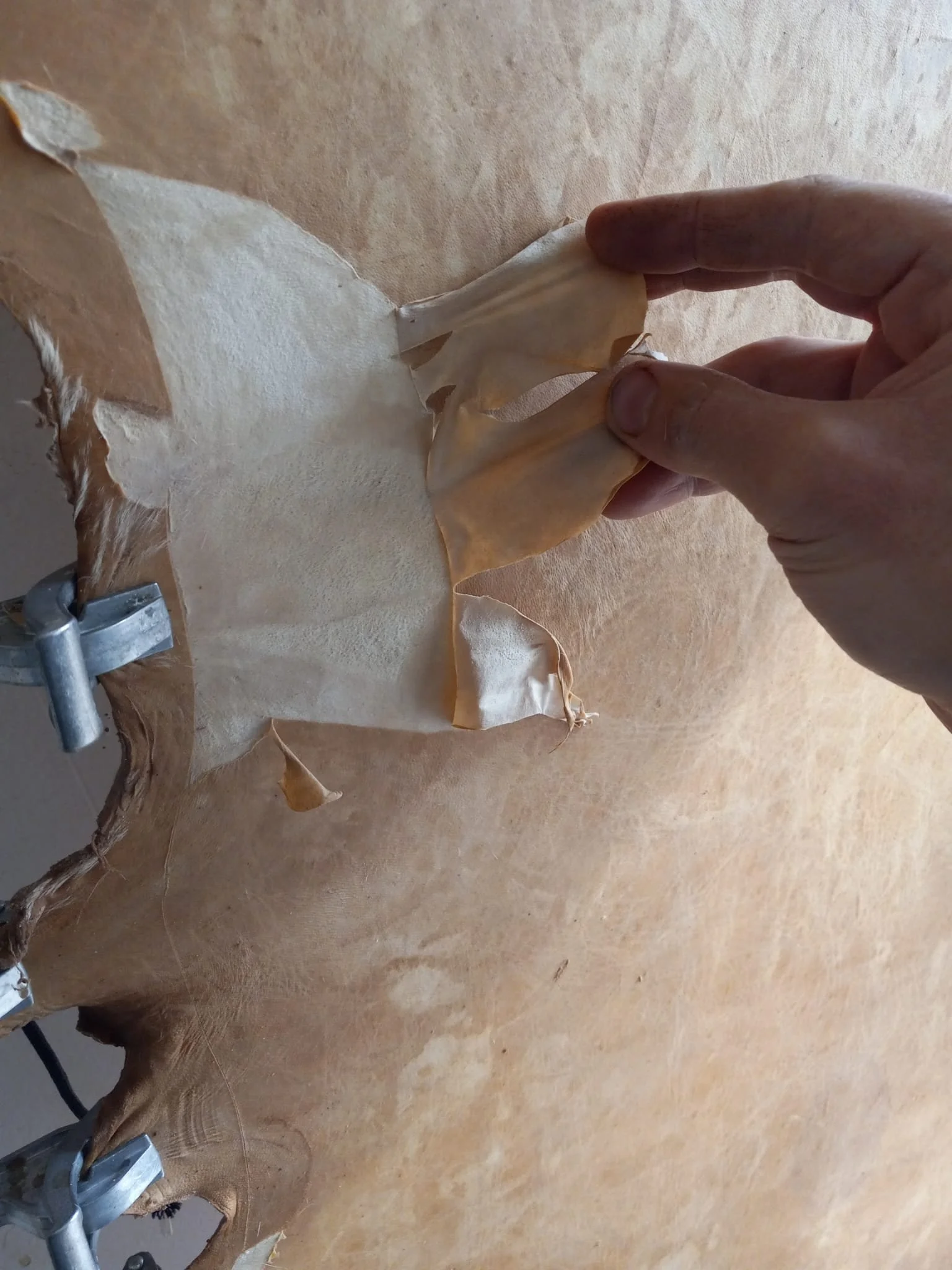
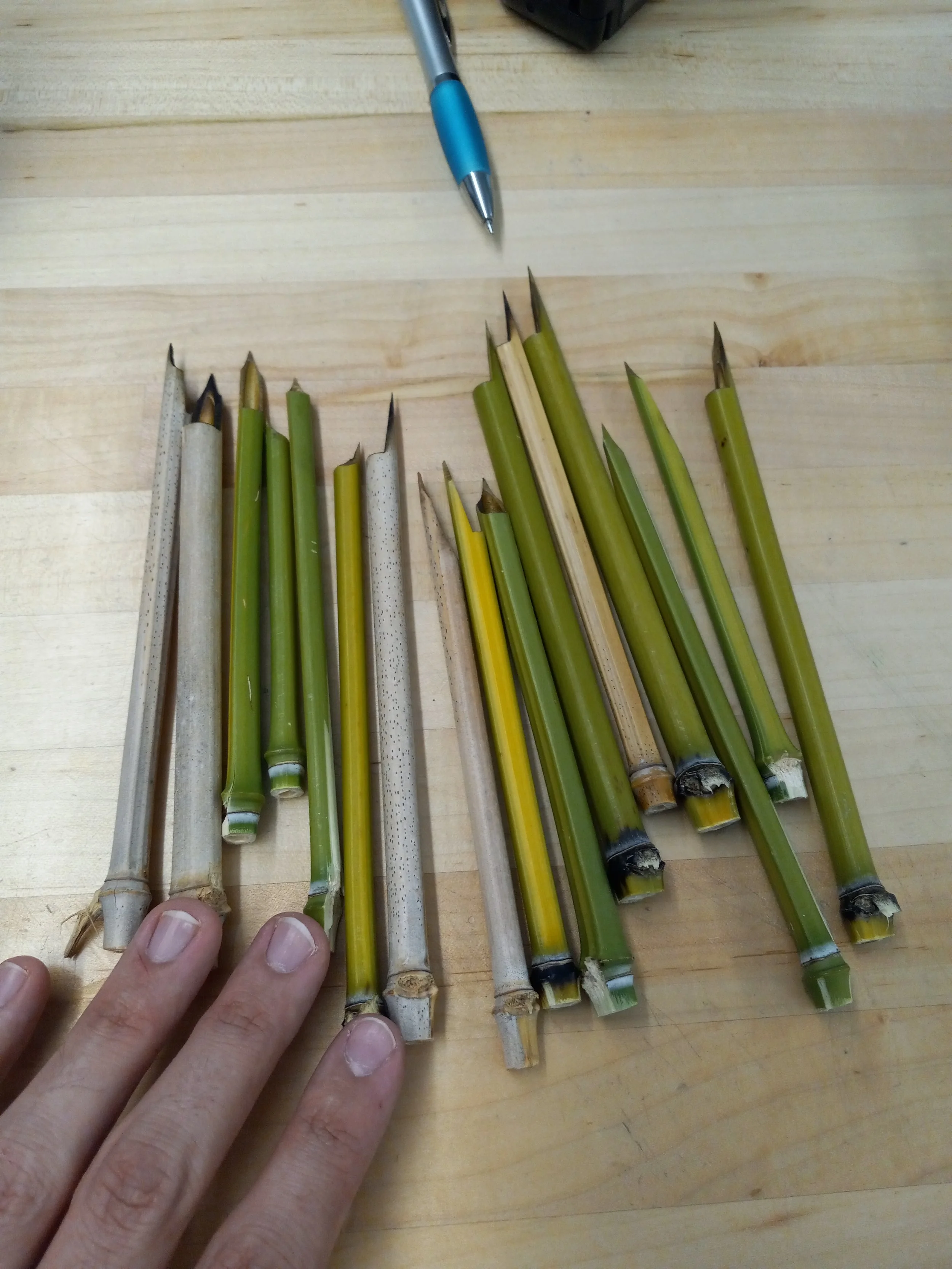
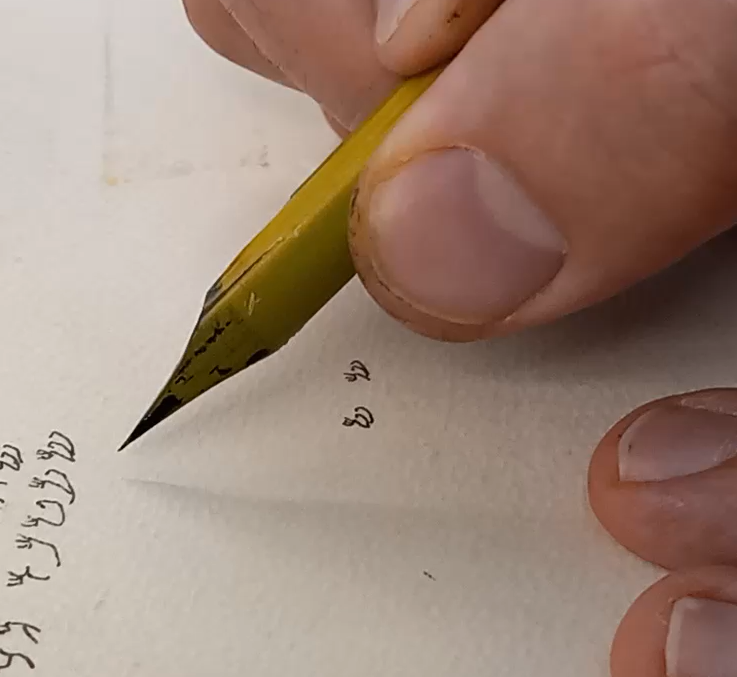
Together with tanning parchment, other Mizrahi practices such as the use of carbon ink or reed pens have been declining as Ashkenazi practices dominate. Practices such as splitting hides have become exceedingly rare, with only a few practitioners in the world carrying on the tradition in the 21st Century.
In other words, the Ashkenormative market risks the extinction of our tradition’s oldest scribal skills and traditions.
The members of the Kedusha Project follow diverse traditions. Even some of the Ashkenazim among us have been convinced to follow Mizrahi practices by sheer force of halakhic argument. Whichever tradition we each follow, all of us believe that Mizrahi Jews should have as much access to their communities’ traditional kedusha as Ashkenazi and Sefardi communities do.
We are the only practitioners outside of Israel who make tanned parchments or split hides. Some of our scribes use reed pens and carbon ink (while others use feather quills and iron gall ink in the Ashkenazi tradition). It is our great honor to bring Mizrahi scribal practices to life in contemporary, diasporic practice.